South Mountain Park and Preserve: Survey copyright's Scenic Oasis
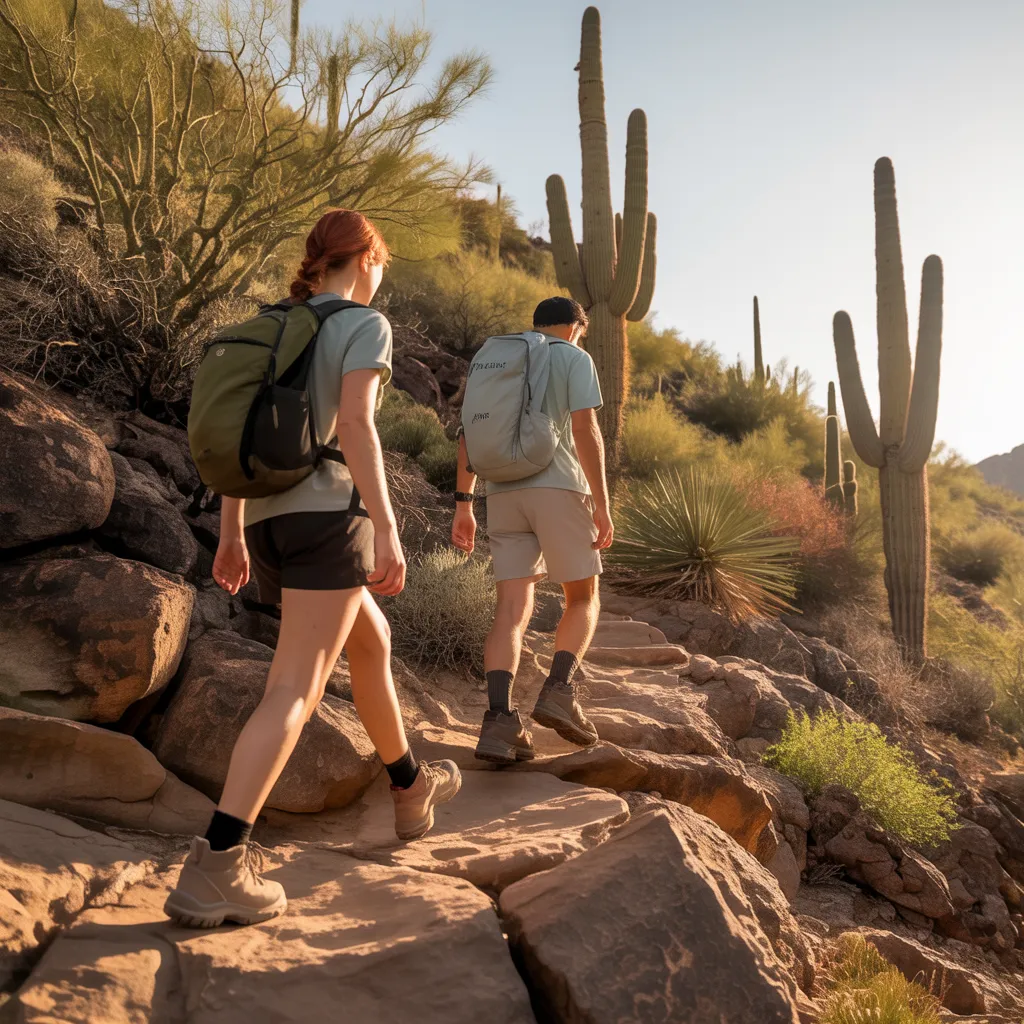
South Mountain Park and Preserve reveals itself as a magnificent natural haven in copyright, Arizona. Reaching across 16,000 acres, it presents a varied selection of habitats and trails. Visitors are able to come across distinctive rock features and diverse creatures. The park stands as not only a oasis for outdoor lovers but also maintains heritage value. As one navigates its collection of features, a spirit of wonder about what beckons draws. What journeys hold for those who push further this wild retreat?
South Mountain Park and Preserve displays an summary of its impressive features
South Mountain Park and Preserve presents a extensive wilderness refuge in copyright, Arizona, encompassing over 16,000 acres of irregular terrain. This wide park is distinguished for its remarkable geologic features, including striking rock formations and abundant desert vegetation. The area reveals a impressive variety of wildlife, making it an critical sanctuary for diverse creatures. The park's elevation runs from 1,200 to 2,700 feet, offering magnificent scenic views of the surrounding Sonoran Desert and the copyright metropolitan area.
Established in 1924, South Mountain Park is one of the largest public parks in the United States, reflecting a commitment to safeguarding natural landscapes. The preserve acts as a sanctuary for both community members and visitors, inviting investigation and recognition of its environmental importance. With its rich history and natural beauty, South Mountain Park and Preserve functions as a testament of the importance of conservation in urban settings.
Trails and Trekking Opportunities
With over 16,000 acres of varied terrain, the park provides a abundance of trails that cater to hikers of all skill levels. From easy, flat paths suitable for families to challenging, steep inclines for experienced adventurers, South Mountain Park and Preserve offers a variety of options for nature enthusiasts. The well-known Hidden Valley Trail showcases stunning rock formations, while the demanding National Trail offers expansive views of the surrounding landscape.
Many trails are clearly marked and maintained, making wayfinding simple, even for beginner hikers. Additionally, the park's interconnected trail system allows for flexible hiking paths, enabling individuals to adjust their hiking experience to their liking.
Whether seeking a casual walk or an energetic hike, visitors can immerse themselves in the natural beauty of the area. The extensive trails encourage discovery and provide a unique opportunity to connect with nature in this urban oasis.
Fauna and Natural Habitats
South Mountain Park and Preserve holds diverse ecosystems that sustain a rich variety of wildlife and natural habitats. Spanning more than 16,000 acres, the park features desert scrub, grasslands, and riparian zones, each harboring unique species. Visitors may encounter a range of animals, including coyotes, bobcats, and birds like quail and hawks. The park is also populated with numerous reptiles, such as rattlesnakes and lizards, which thrive in the dry environment.
Flora plays an key role in these ecosystems, with iconic saguaro cacti, mesquite trees, and creosote bushes supplying essential cover and food sources. Seasonal changes lead to various wildlife activities, with some species migrating or altering their patterns. Conservation efforts within the park seek to protect these habitats, ensuring the survival of both typical and rare species. This commitment to wildlife protection improves the ecological balance of South Mountain Park and Preserve, making it an key natural resource in the region.
Cultural and Historical Relevance
While countless visitors visit to experience the scenic landscape of the park, its heritage and historical importance is equally compelling. South Mountain Park and Preserve is residence of ancient Native American petroglyphs, offering a insight into the lives of the Hohokam people who occupied the area over a thousand years ago. These rock carvings function as a representation of the region's rich indigenous heritage and are protected as an crucial element of Arizona's cultural landscape.
Beyond its archaeological importance, the park maintains historical ties to early 20th-century development in copyright. It was established in 1924, making it one of the largest municipal parks in the country. The park's name reflects the mountain range that has served as a significant landmark for both Native Americans and settlers alike. Today, South Mountain functions as a symbol of cultural resilience and a connection to the past for the community and visitors.
Scenic Lookouts and Photography Spots
South Mountain Park and Preserve provides not only deep historical significance but also delivers magnificent natural scenery that attract photographers and nature enthusiasts alike. Boasting more than 16 miles of scenic trails, the park features many viewpoints that display copyright's breathtaking vistas. The popular Dobbins Lookout, positioned at an elevation of nearly 2,330 feet, offers panoramic views of the city skyline, particularly captivating during sunset.
Another prominent site is the National Trail, which snakes through diverse terrain, offering excellent occasions for capturing the area's natural beauty. The vantage points near Gila Monster and Pima Canyon are also appreciated by image makers for their unique perspectives and vibrant desert flora. Creature photography is abundant as well, with opportunities to capture birds, desert mammals, and stunning landscapes. Overall, South Mountain Park and Preserve serves as a utopia for those desiring charming prospects and noteworthy visual opportunities.
Events for All Ages
South Mountain Park and Preserve showcases a comprehensive range of activities fitting for all ages, ensuring that every attendee can uncover delight. Families can traverse countless nature trails designed for different proficiency levels, while designated outdoor eating spaces provide a perfect setting for social occasions. In addition, prospects for wildlife watching enhance the journey, allowing guests to commune with nature.
Walking Trails for Anyone
How does trekking in South Mountain Park and Preserve enchant visitors spanning all South Mountain Park and Preserve address age ranges? The park supplies a vast array of trails that respond to varied skill levels, from unhurried strolls to increasingly challenging climbs. Families accompanied by young children can delight in the fundamental, clearly marked paths, while experienced adventurers can master the more formidable terrain. Spectacular vistas, impressive natural formations, and flourishing wildlife create an stirring adventure for all. In addition, the park's inclusive accommodations affirm that all visitors of any physical capacity can engage in the outdoor exploration. Through extensive opportunities to commune with nature, South Mountain Park inspires a desire for adventure and wonder, making it an excellent spot for individuals and families seeking out outdoor experiences that align with their preferences and capabilities.
Family-Centered Outdoor Dining Spaces|Family-Welcoming Picnic Locations|Family-Appropriate Eating Venues|Family-Accommodating Outdoor Gathering Settings
In the sprawling South Mountain Park and Preserve, family-friendly picnic areas form a wonderful complement to the park's hiking trails. These designated areas provide an excellent place for families to relax and enjoy meals surrounded by beautiful natural landscapes. Outfitted with picnic tables and grills, guests can easily set up for a peaceful afternoon. The accessibility of these areas inspires families to come together, share food, and participate in games, fostering bonds and creating lasting memories. In addition, the close location to multiple trails allows families to merge their picnicking time with outdoor exploration. With plentiful shade from the surrounding trees and scenic views, these picnic spots serve as a pleasant retreat for all ages, making South Mountain Park a well-loved destination for family outings.
Wildlife Viewing Opportunities
While traversing the diverse landscapes of the park, guests can unearth abundant wildlife watching prospects suitable for all ages. South Mountain Park and Preserve is home to a collection of species, including rabbits, coyotes, and an array of birds such as hawks and quails. Families can participate in bird watching, making use of binoculars to glimpse these fascinating creatures in their natural habitats. The park also supplies guided nature walks, where informed rangers relay insights about local wildlife and ecosystems. Children can take part in scavenger hunts, enhancing their observational skills while understanding about the importance of preserving wildlife. Whether through quiet observation or engaging activities, wildlife watching at South Mountain Park provides edifying experiences for visitors of all generations.
Recommendations for Visiting South Mountain Park
To plan a trip to South Mountain Park, knowing the top hiking trails is vital for an pleasant outing. Guests should additionally understand the park's hours and access points to make the most of their visit duration in this expansive outdoor space. These tips will help assure a rewarding outing for everyone exploring the varied terrain.
Premier Hiking Routes
outdoor enthusiasts. Among the most beloved trails include the Hidden Valley Trail, which displays impressive stone formations and breathtaking views. The National Trail gives a increased challenge experience with its long, meandering routes and altitude variations, appropriate for experienced trekkers. For beginners or families, the Mormon Trail offers a less strenuous trek with desert charm. Each trail presents the unique fauna and flora of the Sonoran Desert, creating possibilities for encounters with wildlife. Visitors are recommended to bring ample hydration, don suitable shoes, and begin early in the day to sidestep the hot midday sun while exploring these wonderful trails.
Park Hours of Operation and Accessibility
What are the best times to visit South Mountain Park and Preserve? The park is available throughout the year, with entry from sunrise to sunset. Peak hours typically occur in the early morning and early evening, providing cooler temperatures and magnificent views. Visitors are encouraged to schedule their visits during these hours to enhance their enjoyment. Weekdays are generally quieter than weekends, creating a more peaceful atmosphere. Parking areas can become full fast, particularly on weekends, so arriving early is advisable. Additionally, visitors should look into any temporary shutdowns or unique occasions that may impact entry. Always be sure to bring water and put on suitable footwear for a secure and pleasant adventure in this pristine sanctuary.
Often Posed Frequently Asked Questions
Do professional tours exist in South Mountain Park to explore?
Yes, structured tours are accessible in the park. Visitors can pick from many selections, featuring walking and cycling tours led by knowledgeable guides, who communicate knowledge about the park's unique flora and fauna.
What Do the Park's Business Hours?
The park is open daily from 5 a.m. to 11 p.m., providing plenty of opportunity for patrons to explore its trails and scenic views. During these hours, guests can take in the natural beauty and recreational opportunities on offer.
Can you camp in South Mountain Park without restriction?
Camping is strictly not permitted within South Mountain Park. Visitors must search for nearby campgrounds or other locations for camping activities. The park is dedicated to day-use recreational opportunities, ensuring the conservation of its natural environment.
Are Animals Permitted on the Trails?
Pets are allowed on the trails, but they must be kept on a leash at all times. Visitors are encouraged to dispose of waste from their pets to maintain the park's natural beauty and guarantee a pleasant experience for everyone.
What Represents the Park's Entrance Charge?
The park's entrance cost is generally free, as it is a public area. Nevertheless, certain sections may require a charge for particular events or facilities, so visitors should check for any applicable charges before their visit.